How to Revise for GCSE English Language
Not sure how to revise for GCSE English Language?
You don't need to spend hours reading revision guides. English Language is mainly about building skills and practising them regularly.
The best approach is simple: practise questions, check your answers and learn from your mistakes.
1. Start With GCSE English Language Past Papers
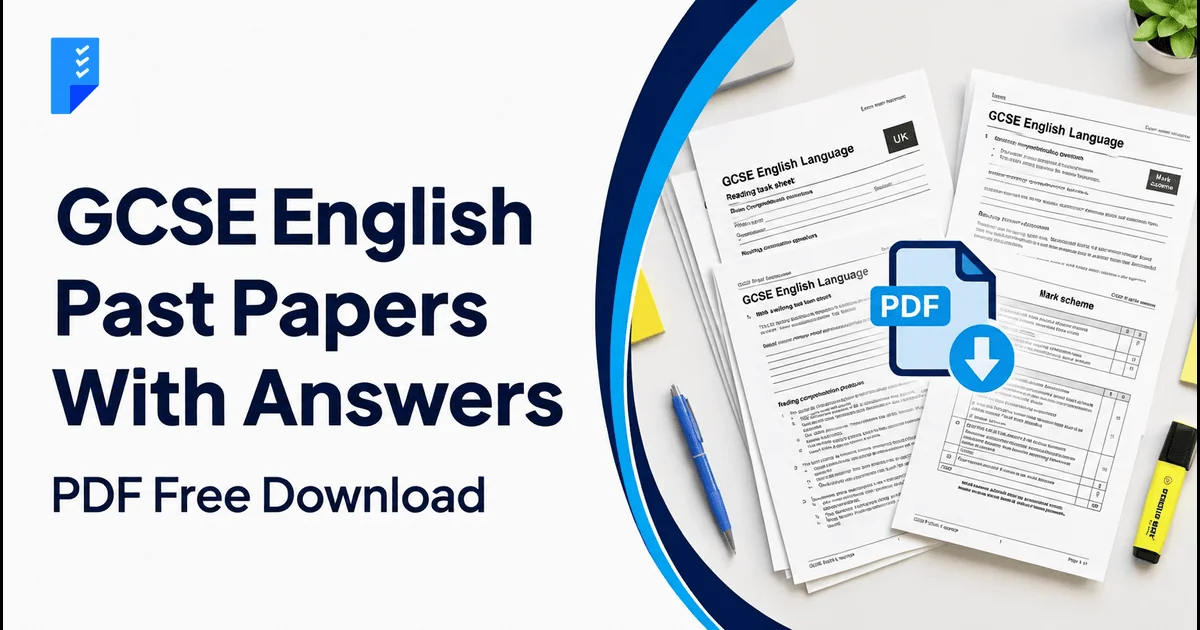
One of the best ways to prepare is to practise with GCSE English Language past papers.
Past papers help you:
- Understand the question style
- Practise analysing texts
- Improve your timing
- See what the exam expects
- Become more confident
Practise with our GCSE English Language past papers with answers to familiarise yourself with exam questions, check your responses and prepare for your GCSE English exam.
👉 Practise GCSE English Language Past Papers on Progressay
2. Use the Mark Scheme
Don't just complete a past paper and move on.
After answering a question, check the mark scheme and ask:
What did I do well?
What could I improve?
Why did I lose marks?
This is one of the quickest ways to turn practice into improvement.
3. Practise One Question at a Time
You don't always need to complete a full exam paper.
If you struggle with reading questions, practise those first.
If writing is your weakness, practise:
- Creative writing
- Descriptive writing
- Articles
- Speeches
- Letters
Once you feel confident, move on to complete full GCSE English Language practice papers.
4. Improve Your Writing
Spend a little time each week writing.
Focus on:
- Clear paragraphs
- Strong vocabulary
- Sentence variety
- Accurate spelling and punctuation
- Writing for the correct audience and purpose
Don't try to use complicated words just to sound impressive. Clear and accurate writing is more important.
5. Read for 10 Minutes a Day
Reading can help you improve vocabulary, sentence structure and understanding of different writing styles.
You could read:
- Short stories
- News articles
- Magazines
- Fiction
- Opinion pieces
Even 10 minutes of reading a day can become useful practice over time. PMT similarly recommends regular, active reading as part of English Language revision.
6. Keep a Mistake List
This is a simple revision trick that many students overlook.
After completing a past paper, write down your common mistakes.
For example:
❌ I don't explain the effect of language.
❌ I spend too long on one question.
❌ I make punctuation mistakes.
Then focus your next revision session on fixing those problems.
A Simple GCSE English Language Revision Plan
You don't need a complicated timetable.
Try this:
Monday: 1 reading question
Wednesday: 20 minutes writing practice
Friday: 1 past-paper question + mark scheme
Weekend: Review your mistakes
As your exam gets closer, start completing full GCSE English Language past papers under timed conditions.
For example, AQA's GCSE English Language assessment includes separate reading and writing components, so practising both skills is important.
Final Tip: Practise, Check, Improve
The easiest way to remember how to revise for GCSE English Language is:
Practise → Check → Improve → Repeat
Don't worry if your first past paper isn't perfect. Every question you practise gives you another opportunity to improve.
👉 Ready to practise? Explore GCSE past papers on Progressay and start preparing for your exam.